Death Doula · Central Oregon
Death Doula & End-of-Life Support in Central Oregon & Beyond
I walk alongside individuals and families preparing for transition, offering practical, emotional, and ceremonial support. I’ve spent years at the threshold where death, grief, family, and the sacred meet.


Death is a sacred passageway
I sit with the dying. I talk with the people who love them. I hold ceremony around death as a threshold and sacred walk, not a medical event.
A death rarely belongs to one person alone. It moves through a whole family — old roles, unfinished conversations, deep devotion, fear, tenderness, exhaustion, and grief that arrives long before the final breath. From years at the bedside, I help people meet dying with presence, dignity, and sacred attention. I am here to walk it with you.
I listen to the family field — the grief already moving, the roles surfacing, the love and the ache in the room that most needs devotion and care.
The terrain I tend
People long to show up well for a death, and most of us are handed no map for it.
Emotional
What moves in you as someone you love is leaving: the fear, the tenderness, the exhaustion, the love. All of it belongs.
Relational
What happens between you: the words that need saying, the old roles, the repair still possible in the time that’s left. The joys, the memories, and celebrations that bring you closer.
Practical
The real, on-the-ground needs of a dying: presence, rest, the next small thing, someone steady in the room.
Sacred
The meaning underneath it all. The crossing marked, witnessed, given form. Ceremony, celebration, and what needs proper attention to honor it all well.
Before · Bedside · After
This work holds the whole passage.
 Before death
We prepare together.
I counsel the family, help loved ones show up well, and shape ceremony and death rites for what is coming.
 At the bedside
I sit with the dying.
Presence, rest, sound, song, and steadiness in the room. Ceremony held around the threshold as it draws near.
 After
AfterGrief is given a place to move.
Personal and community grief tending, and ceremony to honor what and who has been loved.
The ways I walk it
Ways we might walk together
Every death is its own. The shape of our work together is made with you — a conversation first, and then the care that is most desired and supportive begins.
End-of-life doula care
Companioning individuals and families through the whole passage: practical, emotional, and ceremonial support, shaped around your people and your walk through this passageway.
Counseling the family
Holding a whole family through the experience with honesty and grace: the grief already moving, the relationships under pressure, the longing to show up well.
Bedside & hospice presence
Sitting with the dying. Steady, unhurried company at the bedside, alongside your hospice and medical care.
Ceremony & death rites
Ritual that gives shape to what is happening: to mark the gravity, to bless, to release, to honor the person and the life.
Grief tending
A place for grief to move, before a death and after it, held personally and in community through ritual, presence, and togetherness.
Breath & sound
Sound, voice, and breath woven in when they are welcome: another way to companion someone as words grow tired, easing the room toward rest.
Training loved ones
Guidance for friends and family walking a beloved through transition — how to be present, how to tend the terrain, how to show up well.
What I bring to the bedside
Death belongs to all of us

A guide for loved ones
How to Walk with the Dying
A Guide for Loved Ones Supporting a Beloved in Transition
This work grew into a book. It came from watching how deeply people want to show up well, and how little guidance they are given for the emotional, relational, practical, and sacred terrain of dying.
It is a map for the ones walking a beloved home.
From those who’ve walked it
Voices from the bedside.
“Her work as a death doula, guiding people through that transition toward end of life… I’ve witnessed her at the hospice house with her sound bowls, creating ease and a sense of peace. She just makes the people around her feel at home.”
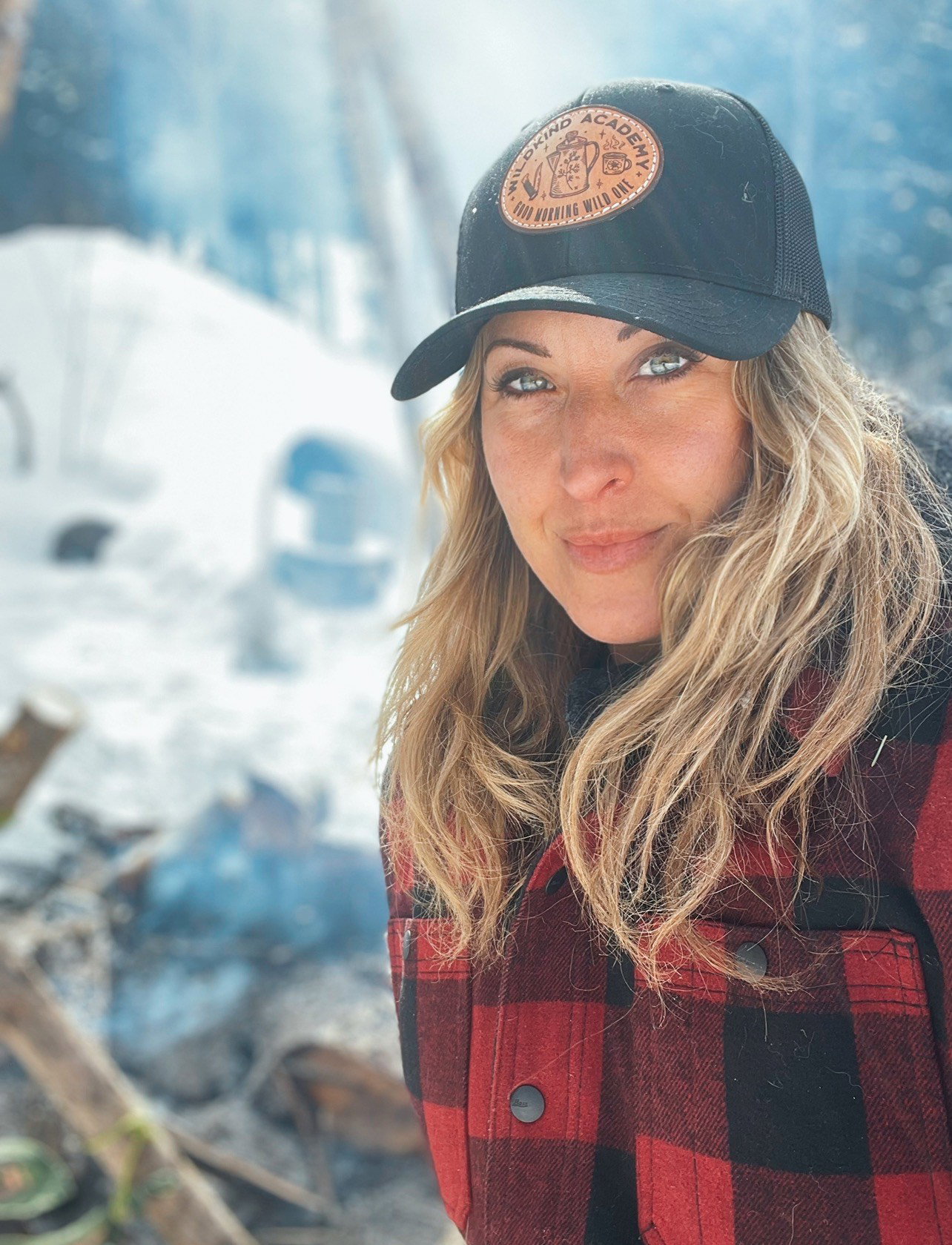 Jess Caldwell
Questions people bring
What families ask.
What is a death doula?
A death doula is a non-medical companion to the dying and the people who love them, offering emotional, relational, practical, and sacred support through the whole passage of death. A death doula is also called an end-of-life doula or death midwife. The work lives beside your medical and hospice care, tending the human parts of dying: presence, meaning, family, and ceremony. It begins whenever you feel the need for a steady, experienced companion, sometimes years before a death, sometimes in the final days.
What does a death doula do?
A death doula companions a person and their family through dying: sitting at the bedside, counseling loved ones, guiding vigil and ceremony, tending grief before and after death, and helping a family show up well for someone they love. Day to day, that can look like steady presence in the room, help understanding what is unfolding, space for the hard conversations, ritual to mark the threshold, and support for the family so they can simply love the person who is leaving. The shape of the work is made with each family.
Death doula vs hospice — what’s the difference?
Hospice provides medical care at the end of life, usually once a prognosis is around six months or less: nurses, symptom care, equipment, and a clinical team. A death doula tends the emotional, relational, and sacred terrain of dying, and can begin walking with you far earlier. The two belong side by side. Hospice cares for the body; a doula cares for the crossing, the family, and the meaning of what is happening. Doula care is generally not covered by Medicare or insurance, and many families keep both.
How much does a death doula cost?
Every family and every dying is its own, so the shape of our work, and its cost, is made together in conversation. I work with each situation directly rather than sell a fixed package, so the care can meet what your family actually needs. Reach out and we’ll talk about what you’re facing and what would serve. Doula care is generally not covered by insurance or Medicare, and we can talk openly about that when we speak.
How do I find a death doula in Central Oregon?
Reach out directly. I serve Bend and Central Oregon in person, and families beyond it through remote support. We begin with a conversation about what you and your family are walking, and whether I’m the right companion for it. There is no single certification that defines a death doula, so the truest way to choose one is a real conversation allowing you to feel for resonance and sincere connection. You can feel whether the presence is steady, experienced, and yours to trust.
What should I expect from a death doula in the final days?
In the final days, expect steady presence: company at the bedside, rest and quiet, sound and breath when they are welcome, and ceremony to mark the threshold. I tend the room and the family so the dying can be met with love. That can mean holding vigil, helping loved ones take turns and rest, softening the atmosphere of the room, and making space for last words, blessing, and release. The aim is simple— that no one has to walk the final passage alone, unless that is their wish.
Is a death doula worth it?
The medical system tends the body. The emotional, relational, and sacred terrain of dying is often left untended, and that is the terrain a death doula walks with you. With someone steady in the room, the dying are met with tenderness, and the family is freed to be present and to love. Families most often reach for a doula when they want the experience to be more than a medical event, instead a passage held with reverence, company, and meaning. That is the difference this work makes.
Begin the conversation
When you’re ready, I’m here.
Whether you are facing your own death, or walking a beloved toward theirs, someone can walk it beside you. We’ll begin with a conversation about what you’re facing and go from there.
May you meet this threshold with presence, dignity, and love. May the crossing be true and full of grace. May grief find its place to move.